Wondering why one Pelican Bay condo attracts strong interest while another sits for months, even when both share the same community name? In a market like Pelican Bay, pricing is rarely about picking a flattering number and hoping buyers agree. If you want to price with confidence, you need a strategy grounded in comparable sales, building-specific details, and the financial realities buyers are studying right now. Let’s dive in.
Why pricing matters more in Pelican Bay
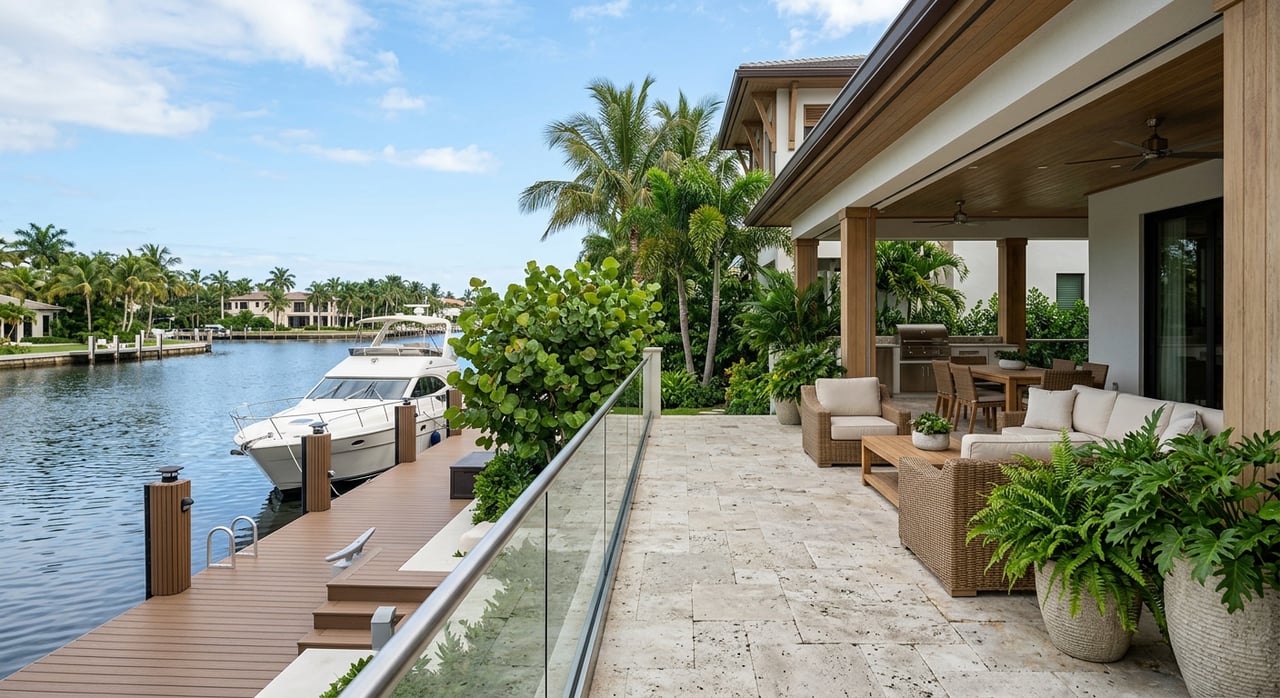
Pelican Bay offers a rare mix of beachfront access, recreation, dining, wellness amenities, and proximity to destinations like the Ritz-Carlton, Naples Grande, Waterside Shops, The Marketplace, and Artis-Naples. According to the Pelican Bay Foundation’s community overview, the community includes about 6,500 residences across 95 associations, plus nearly three miles of beach frontage and extensive shared amenities. That scale and variety help support value, but they also mean your condo is competing within a very layered market.
Today’s market also calls for precision. Redfin’s Pelican Bay condos snapshot showed 176 condos for sale with a median listing price of $1.25 million and a median market time of 106 days. The same source, along with broader local reporting in the research provided, points to a market where buyers have options and often expect room to negotiate.
Pelican Bay is not one price band
One of the biggest pricing mistakes sellers make is assuming the Pelican Bay name alone defines value. It does not. With 95 associations and a wide range of building styles, positions, and fee structures, the strongest pricing decisions usually come from the most similar properties, not the broadest averages.
The National Association of Realtors consumer guide on pricing recommends evaluating size, location, amenities, and condition, then building a CMA from recently sold, pending, and active comparable properties. In Pelican Bay, that often means looking closely at your specific building, floor level, view corridor, renovation quality, and association costs.
What buyers compare first
When buyers review Pelican Bay condos, they usually compare more than square footage and bedroom count. They also compare the details that affect daily use, long-term cost, and future resale.
Key pricing drivers often include:
- Building and association
- Floor level
- View quality and orientation
- Interior condition and renovation level
- Monthly condo fees and reserve strength
- Pending assessments or repair work
- Current competition in the same tower or nearby buildings
Fannie Mae’s property valuation guidance specifically notes that condition, quality, view, and location should be rated on the property’s own merits, and that not all water views are equal. That point is especially important in Pelican Bay, where a partial Gulf glimpse, a broad sunset exposure, and a direct high-floor Gulf view can create very different buyer reactions.
Why view, floor, and condition change value
In Pelican Bay, subtle differences can lead to meaningful pricing gaps. The research provided shows that a 14th-floor Gulf-view condo at 6101 Pelican Bay Blvd #1402 sold for $1.05 million, or $785 per square foot, while a penthouse at 7425 Pelican Bay Blvd PH 2201 sold for $5.15 million, or $1,542 per square foot. Even within the same tower at 7575 Pelican Bay Blvd, one unit sold for $2.15 million while another sold for $2.775 million.
Those examples show why broad averages can only take you so far. A higher floor, better view corridor, different layout, or stronger renovation can shift value before you even factor in timing or concessions. If your pricing plan does not account for those differences, you risk either leaving money on the table or entering the market above where buyers see support.
Start with a documented price range
In a market like this, the most reliable list price usually starts as a documented range, not a single guess. That range should be built from the closest recent sales, then adjusted based on supportable differences between those units and yours.
A strong pricing framework often looks like this:
- Review the most similar closed sales first.
- Compare current active and pending competition.
- Adjust for floor, view, condition, and layout.
- Evaluate association costs, reserves, and any known special assessments.
- Use the full package to set a list price that is both competitive and defensible.
This mirrors the approach outlined by NAR and aligns with Fannie Mae’s emphasis on similar comparables and supported adjustments. In practical terms, it means your price should make sense not only to buyers, but also to an appraiser and lender later in the transaction.
Why an appraiser-led CMA can help
A comparative market analysis and an appraisal are not the same thing, but they should speak the same language. NAR explains that a CMA is an estimate of value based on comparable properties, while an appraisal is an independent opinion of market value completed by a licensed or certified appraiser for the lender. Appraisers do not represent the buyer or seller, which is why supportable data matters so much.
That is where an appraiser-minded pricing strategy can be valuable. When your pricing case includes same-building or same-stack sales where possible, clear renovation details, and written support for view or floor adjustments, you are building a cleaner file from the start. If questions come up during financing, you are better positioned to support your number.
Do not anchor to tax value
If you are trying to estimate your condo’s current market value, county tax figures are not the right tool. The Collier County Property Appraiser states that market value and assessed value are not necessarily the same, and the website’s values reflect January 1 conditions rather than the live market.
That distinction matters in a changing environment. A condo’s value today may be shaped by current inventory, updated buyer expectations, association finances, and recent sales that occurred well after the assessment date.
Condo documents now affect pricing more directly
Florida condo disclosures and reserve rules are not just legal details. They can affect buyer confidence, negotiations, and the list-price range buyers will support.
Under Florida Statute 718.503, sellers must provide buyers with current condominium documents, including governing documents, annual financial statements, budget information, and, when applicable, milestone inspection and reserve-study materials. The statute also gives buyers a 7-day window to void the contract after receiving the required documents.
That means clean, timely document delivery can help keep a transaction moving. It also means buyers may look closely at your association’s financial picture before they decide what your condo is worth to them.
Reserves and assessments shape buyer math
Florida’s updated reserve requirements have made condo buyers more attentive to monthly ownership costs and future building obligations. Under Florida Statute 718.112, certain associations that must obtain a structural integrity reserve study generally cannot simply waive or underfund required reserves for covered items in budgets adopted after December 31, 2024. The statute also warns that waiving reserves may expose owners to unexpected special assessments.
Related building review requirements matter too. Florida Statute 553.899 outlines milestone inspection requirements for many buildings that are three stories or more and have reached the applicable age threshold. Buyers often want to understand whether inspections are complete, whether repairs are pending, and how reserve obligations may affect future expenses.
For pricing purposes, this means your condo may be judged not only on how it looks, but also on how the association is positioned financially. In many Pelican Bay transactions, dues, reserve strength, and pending repair work can influence value as much as finishes or square footage.
What today’s market softness means for sellers
Pelican Bay remains a premium market, but it is not immune to broader condo trends. The research provided notes that Realtor.com reported Pelican Bay properties selling for 5.55% below asking on average, while Collier County overall was described as a buyer’s market with homes selling 4.9% below asking and a median 86 days on market.
Statewide condo conditions have also softened as buyers react to rising insurance costs, HOA fees, and inspection and reserve requirements. For you as a seller, the lesson is simple: buyers are not only shopping for lifestyle. They are also underwriting risk, carrying cost, and future exposure.
How to price with confidence
If you want a confident list price, focus on evidence over optimism. In Pelican Bay, that means building your strategy around what buyers can verify and what lenders can support.
A smart pre-listing checklist includes:
- Pulling the closest recent sales, ideally in your building or stack
- Reviewing active and pending competition nearby
- Documenting upgrades, finishes, and renovation dates
- Clarifying view advantages and floor-level benefits
- Gathering current association budgets, financials, and required disclosures
- Identifying reserve strength, assessments, or pending building work
- Setting a list price that fits the market rather than chasing it
That kind of preparation supports stronger positioning from day one. It can also reduce surprises later, whether the issue comes from a cautious buyer, a lender review, or an appraisal question.
Presentation still matters after pricing
Accurate pricing is the foundation, but presentation helps the market recognize value. In a luxury condo setting like Pelican Bay, buyers often make fast judgments based on how clearly a property’s view, condition, layout, and lifestyle benefits are presented.
That is why pricing works best when it is paired with polished marketing, professional photography, and thoughtful staging guidance. When the pricing is disciplined and the presentation is strong, you give your condo the best chance to attract serious attention without relying on repeated price reductions.
If you are thinking about selling in Pelican Bay, a pricing strategy built on local knowledge, appraisal-minded analysis, and polished presentation can give you a clearer path forward. When you are ready for a tailored valuation and listing plan, connect with Dana Price to get started.
FAQs
How should you price a Pelican Bay condo in today’s market?
- Start with the most similar recent sales, then adjust for building, floor, view, condition, and association costs to arrive at a supported price range.
Why do two Pelican Bay condos have very different values?
- Condos in the same community can vary significantly based on tower, floor level, view corridor, renovation quality, layout, and monthly ownership costs.
Do Pelican Bay condo buyers care about reserves and assessments?
- Yes. Buyers often review association budgets, reserve funding, special assessments, and pending repairs because those items affect carrying costs and future risk.
Should you use Collier County tax value to price a Pelican Bay condo?
- No. The county property appraiser states that assessed value and market value are not necessarily the same, and tax values reflect a past assessment date rather than current market conditions.
What documents do Florida condo sellers need to provide to buyers?
- Florida law requires sellers to provide current condominium documents such as governing documents, financial statements, budgets, FAQs, and certain inspection or reserve-study materials when applicable.
Why does an appraiser-led CMA matter for a Pelican Bay condo sale?
- An appraiser-led CMA helps create a more defensible pricing strategy by using similar comparables and supportable adjustments that can hold up better during buyer financing and appraisal review.